I like when Moses lifts the serpent into the desert air. The instruction is disarmingly simple: look, and live. No journey required. No proof demanded. Only the willingness to lift one’s eyes toward what God has provided. It is an image that resists spectacle and instead insists on trust.
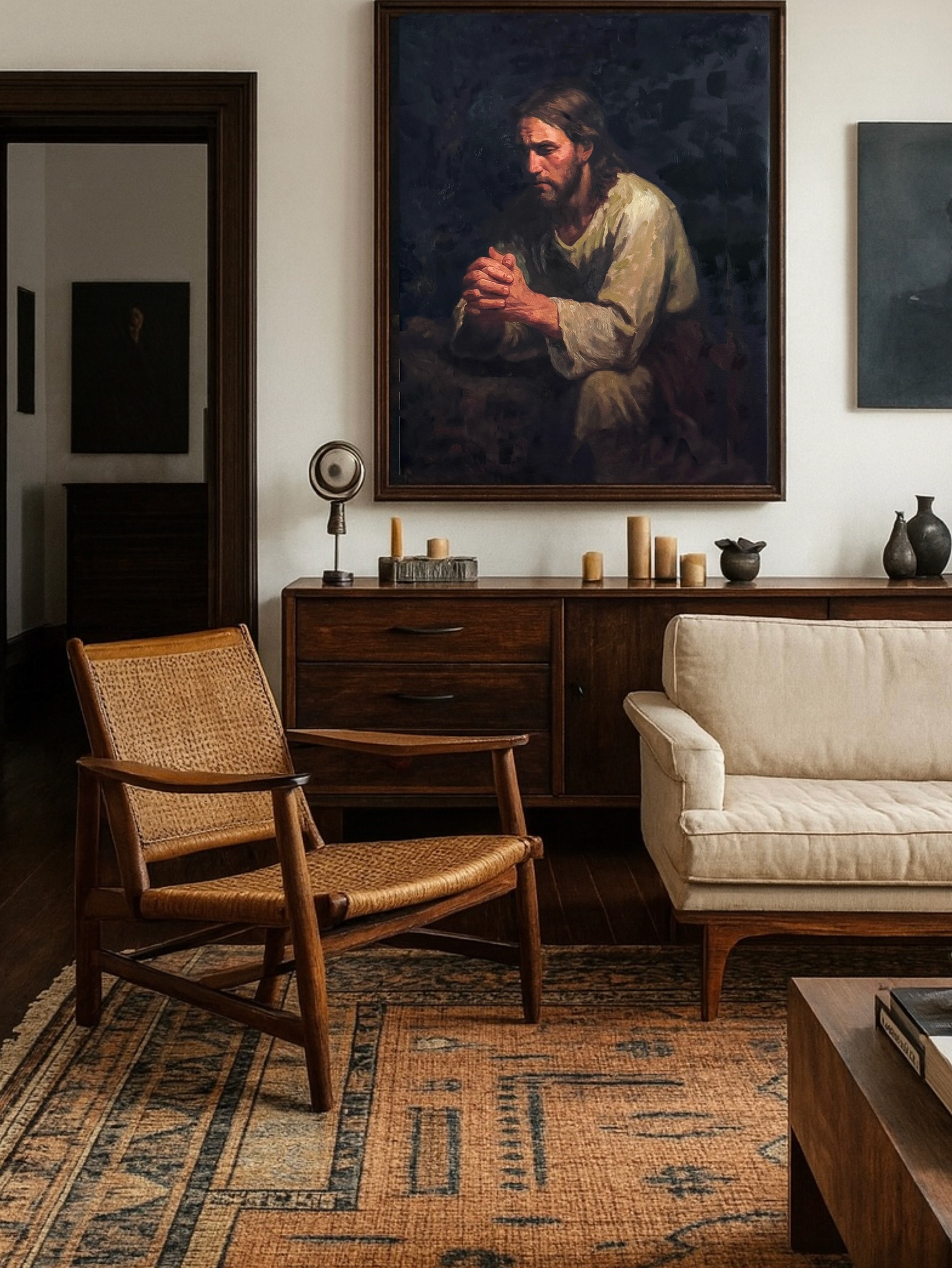
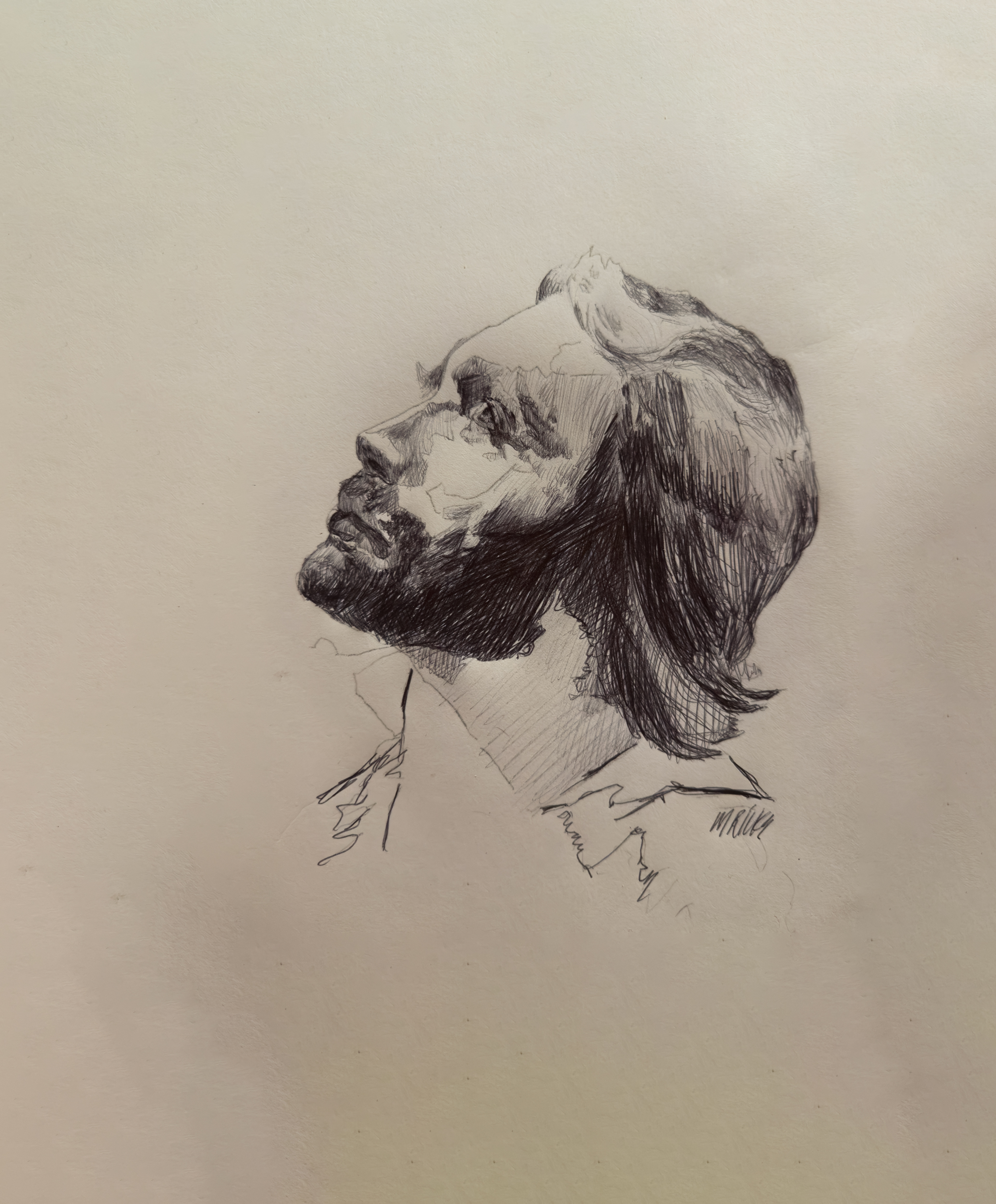
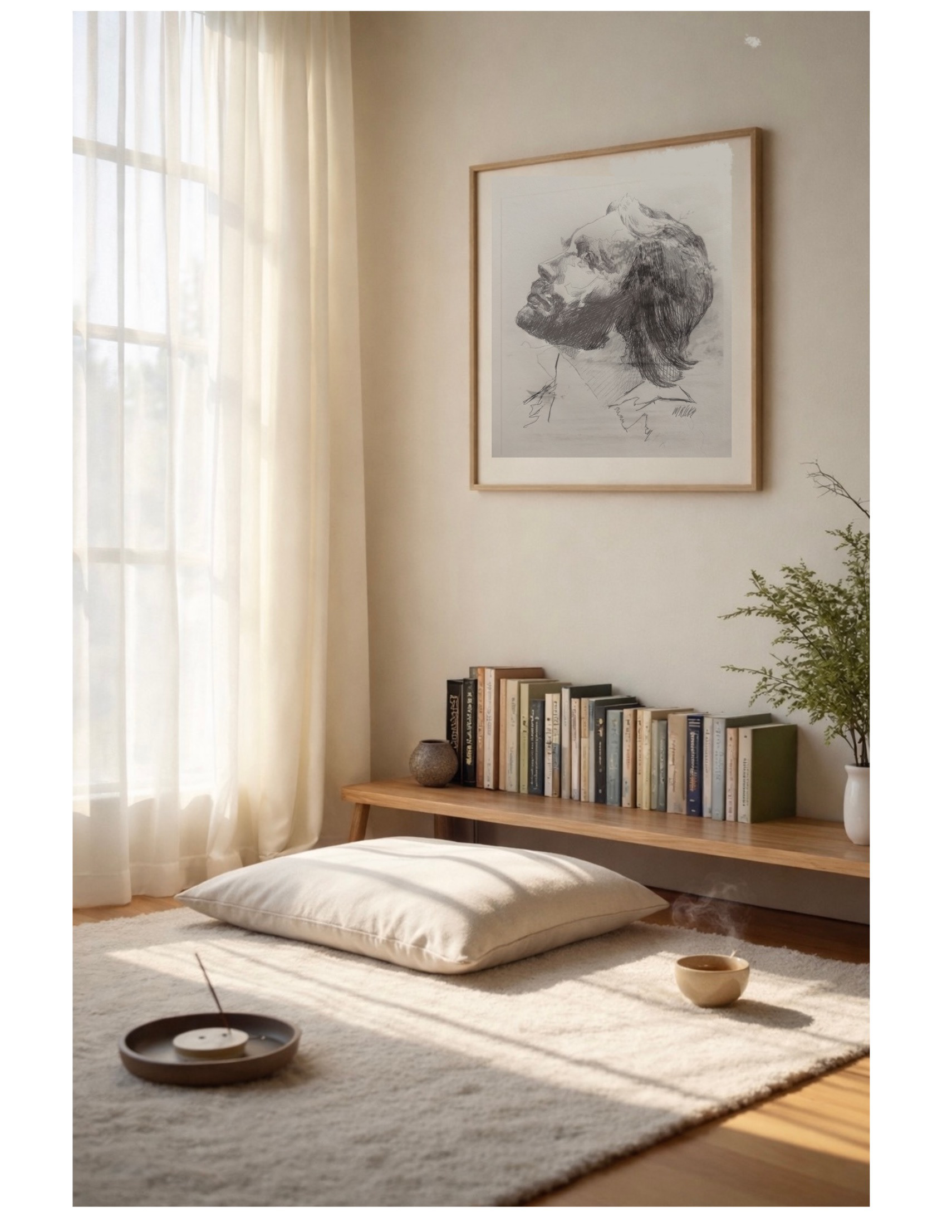
This drawing grew out of that ancient economy of faith. Christ is not depicted in triumph, nor in overt suffering, but in orientation. His gaze moves upward, away from the visible weight of the world, toward the unseen will of the Father. In that tilt of the head is the entire theology of the passage: life is found not in self-preservation, but in attention; not in grasping, but in looking.
I wanted the drawing to feel intimate, almost private, as though we are witnessing a moment of inward resolve. The upward gaze becomes an act of surrender, a quiet alignment with divine order. It suggests that happiness and peace are not achieved through mastery of circumstance, but through recognition of the Way and the humility to follow it.
This work is less about illustration than invitation. Like the Israelites in the wilderness, we stand wounded by fear, fatigue, and longing. And still, the instruction remains unchanged: look up. In that looking, we find not only healing, but knowledge of who God is, of who His Son is, and of who we are when we choose to trust the path set before us.